
The Gut-Brain Connection: How Nutrition Affects Your Mood and Mental Health
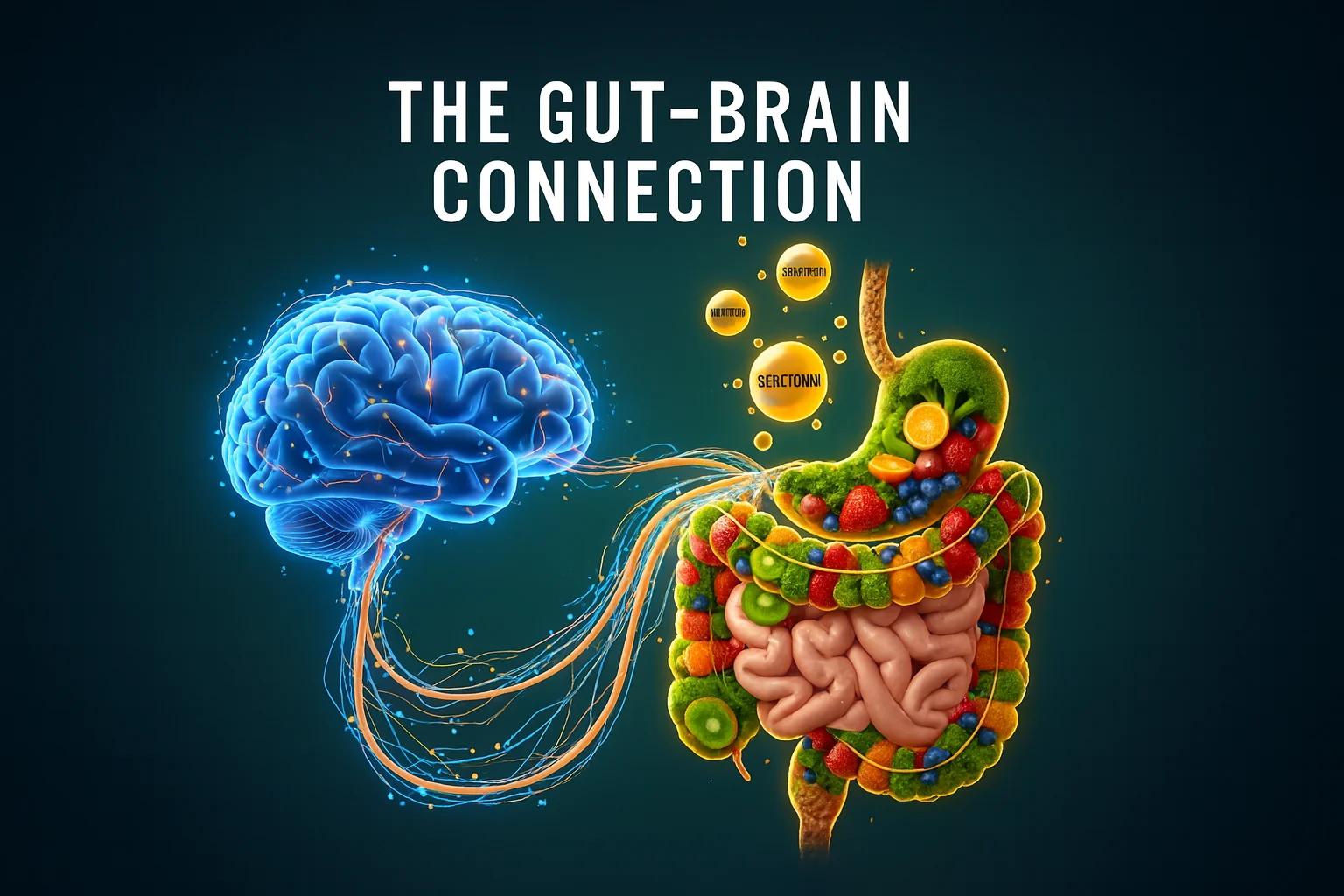
Understanding the Gut-Brain Connection
The gut-brain connection shows how the food we eat can influence our mood, focus, and even our mental health. If you struggle with low mood, anxiety, brain fog, or difficulty concentrating, your diet may be playing a bigger role than you realize.
If you knew how much your diet shapes your moods and emotions, would it change what ends up on your plate? The food we eat does far more than keep us physically strong — it affects our thoughts, mental health, and quietly influences how our brains work every single day [1].
Do you notice how your stomach tightens when you’re anxious, or how you feel butterflies in your gut when you’re excited? These reactions aren’t imaginary. They reflect the constant communication between your gut and your brain. In fact, researchers have shown that the gut and brain are in continuous conversation through nerves, hormones, and chemical messengers [2].
For many years, diet was rarely considered when addressing mental health challenges. Today, research shows that dietary changes may support brain health and symptom management in neurological conditions such as epilepsy, Alzheimer’s disease, and Parkinson’s disease [3].
So if you find yourself struggling with low mood, depression, anxiety, or mental clarity, it may be worth looking more closely at what you eat.
This article explains how the gut-brain connection works, highlights dietary habits that can negatively affect mental health, and explores nutrition choices that support a healthier gut-brain relationship.
Why the Gut-Brain Connection Matters for Mental Health
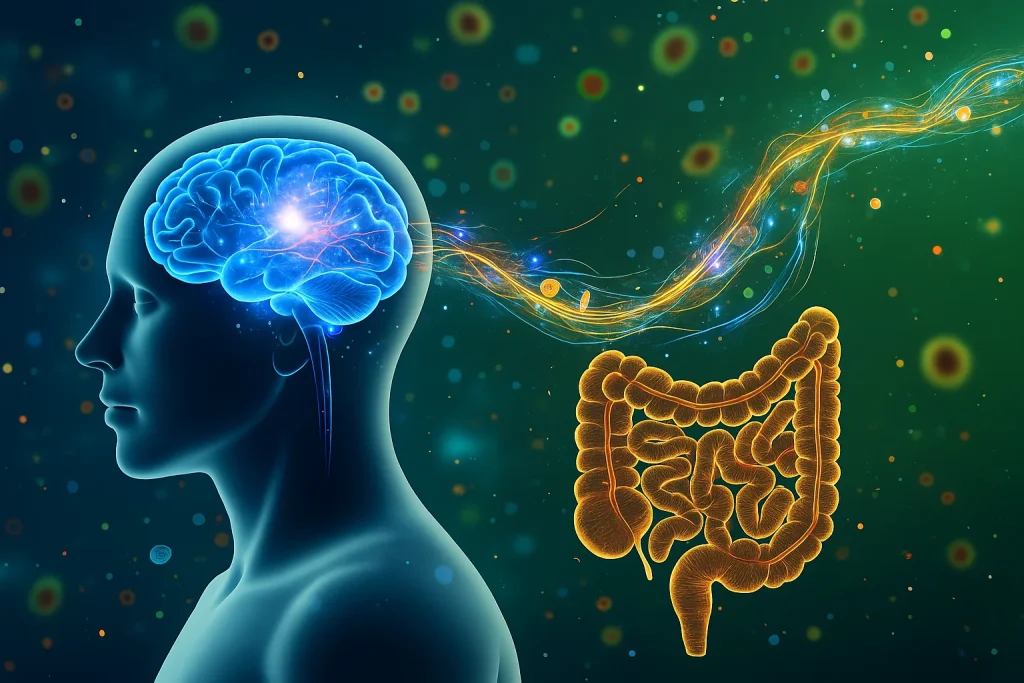
The gut–brain connection is more than a scientific curiosity — it’s central to how we think, feel, and respond to the world around us. This two-way communication system allows the gut and brain to influence each other in real time, meaning that what happens in the digestive tract can directly affect mood, concentration, and emotional stability.
Understanding this relationship helps explain why a balanced diet supports not just physical health but also mental and emotional well-being.
What Exactly Is the Gut?
The gut, also known as the gastrointestinal tract (GIT), includes all the structures involved in digestion and nutrient absorption. It is the passage beginning at the mouth and ending at the anus. The gut plays a vital role in our moods and emotions and works closely with the brain to achieve this.
What is the Gut-Brain Connection and How Does It Relate to Mental Health?
As Dietary Supplements & Microbiome Science expert Ana Aleksic (MSc Pharm) explains, the gut–brain connection is the way in which our gut bacteria communicate with our brain cells and nerves. She adds that the communication goes both ways and that gut bacteria can influence the brain, impact mood, behavior, memory, learning, and even sleep.
So how exactly does your gut communicate with your brain? You might ask…
This happens through a complex mechanism involving a network of nerves, including the vagus nerve, neurotransmitters, hormones, inflammation, and gut microbes [2].
Key Players in the Gut-Brain Connection:
The Enteric Nervous System (ENS)
The ENS, a part of the autonomic nervous system (ANS), is an intricate group of over 500 million nerves operating within the gut. It regulates digestion, blood flow, and immune responses, and can even function independently of the brain. The ENS is the second most complex network of nerves after the brain, and in fact, can function independently of the brain, which is why the gut is sometimes called the second brain.
The Vagus Nerve
The vagus nerve is the main connection between your gut and brain. As a major part of the autonomic nervous system, it conveys information about the conditions in your gut and the presence of food to the brain through the ENS [4,5].
The Gut Microbes
Your gut contains trillions of organisms, including bacteria, viruses, fungi, and parasites.
This community, known as the microbiome of the gut, produces neurotransmitters (like serotonin, dopamine, GABA) that send signals to the brain [6]. Interestingly, about 95% of serotonin – the “feel-good” chemical that regulates mood, sleep, and appetite – is produced in the gut [7].
When gut microbes are disturbed by stress, infection, antibiotics, or poor diet, cognitive and emotional issues may arise.
For example, many children with autism often experience abdominal discomfort like bloating because the bacteria in their gut are different from those in children without autism, and they process carbohydrates differently [8].
An imbalance in the HPA-axis, a stress-regulation pathway, may also trigger depression and anxiety [7,8,9]. Neurodegenerative diseases like Alzheimer’s and Parkinson’s are now linked to an imbalance gut-brain connection [9].
The Immune System
The gut and brain communicate through immune (defense) and inflammatory responses.
Certain gut microbes can produce toxic substances such as lipopolysaccharides, which can leak out of the gut into the blood to cause inflammation.
When inflammation happens for a long time, it increases the risk of brain disorders such as depression and Alzheimer’s disease.
A good way to reduce this risk is to support healthy gut bacteria by maintaining a balanced diet [10].
How Lifestyle and Nutrition Strengthen the Gut–Brain Connection

While science shows how nerves and microbes link the gut to the brain, daily habits determine how smoothly that system works. A diet rich in nutrients, regular eating patterns, enough rest, and stress management all play crucial roles in maintaining communication between these two organs.
Over time, these choices strengthen the gut–brain connection and help regulate mood, improve focus, and support long-term mental health.
How Does Diet Affect Your Mood and Mental Health?
To prove how important diet is in mental health stability, a small study involving 20 adults was conducted, and the participants changed their eating habits from a typical Western diet to healthier options like vegetarian, Mediterranean, or ketogenic diets. After just a week, they felt happier, less anxious, and generally better [11]. Another study found that the Mediterranean diet reduces the risk of depression by 25% when compared to a Western diet [12].
People who eat more fat and protein tend to have lower levels of anxiety and depression, while those who consume more refined carbohydrates experience higher stress and mood swings [11]. Refined carbs and sugary foods can also cause quick spikes and crashes in your blood sugar, leading to irritability and fatigue. Over time, this disrupts hormones like cortisol and adrenaline, which are closely related to mood and stress. On the other hand, eating fibre-rich carbohydrates from whole grains, fruits, and vegetables keeps the gut microbiome balanced and helps to maintain steady energy and emotional balance.
In some cases, these cortisol and adrenaline surges can tip into acute anxiety or even panic attacks — which are more distinct from general anxiety than most people realise.
A quieter inbox. One letter a week.
Wellness that doesn't shout. Every week, one thoughtful letter on rest, resilience, and the small habits that add up. Written with care, backed by evidence.
Highly processed and fatty foods can trigger inflammation and reduce beneficial gut bacteria [11].
When serotonin is low, emotional regulation suffers — which helps explain why some people become more reactive under stress.
What Should a Healthy Gut-Brain Connection-Focused Diet Include?
Probiotics and Prebiotics
Probiotics are live bacteria and yeasts (like Lactobacillus and Bifidobacterium) that help keep your digestive system healthy. They come in the form of capsules, drinks, or foods like yogurt. These friendly microbes work by adding to the good bacteria already living in your gut, helping to balance your microbiome and keep harmful bacteria in check. Prebiotics are typically plant fibre that healthy bacteria feed on to develop. Some examples of prebiotic foods are apples, asparagus, oats, artichokes, and bananas.
Ana has this to say about them, “There are many probiotics and prebiotics that can help support healthy mood, sleep, and energy levels. It’s important to choose a well-researched strain and take it at the right dodge for long enough. However, these products are not a replacement for a healthy diet and lifestyle.”
Eat Fermented Foods
Fermented food such as kimchi and yogurt also contains probiotics, which boost good bacteria and reduce harmful ones in the gut [13].
Stop Skipping Meals
Regular meals keep your blood glucose steady and prevent mood swings.
Choose Fibre-rich Foods
Foods rich in fibre, like whole grains, are beneficial carbs that support a healthy gut.
Avoid Artificial Sweeteners and Sugary Foods/Drinks
Sugary foods and drinks can damage good bacteria in your gut. They also cause spikes in your blood sugar levels, which may temporarily boost your mood, but once your body’s insulin acts on it, you might experience low mood and anxiety.
Avoid Antibiotic Misuse
When you take antibiotics, they kill both harmful and beneficial gut bacteria. This is why you should take them only when you have to.
Eat Polyphenol-Rich Foods
Dark chocolate, coffee, whole grains, and olive oil are foods rich in polyphenols and are known to promote the growth of healthy bacteria and may improve cognition.
Cut down on Ultra-processed Foods
There’s evidence that ultra-processed foods like fast food, canned meals, and meals containing preservatives are harmful to your gut. It’s best to make your food fresh at home.
Add Healthy Fats to your Diet
Healthy fats, especially unsaturated ones found in olive oil and nuts, and omega-3 fatty acids are important in maintaining your brain function.
Stay Hydrated
Aim to take 6 to 8 glasses (approx. 2 litres) of water daily because even mild dehydration can affect your mood and energy.
Simple Habits That Support a Healthy Gut–Brain Connection
And if your gut tends to act up before your mood does, our guide on the best ways to keep your stomach healthy covers the everyday habits that calm digestion at the source.
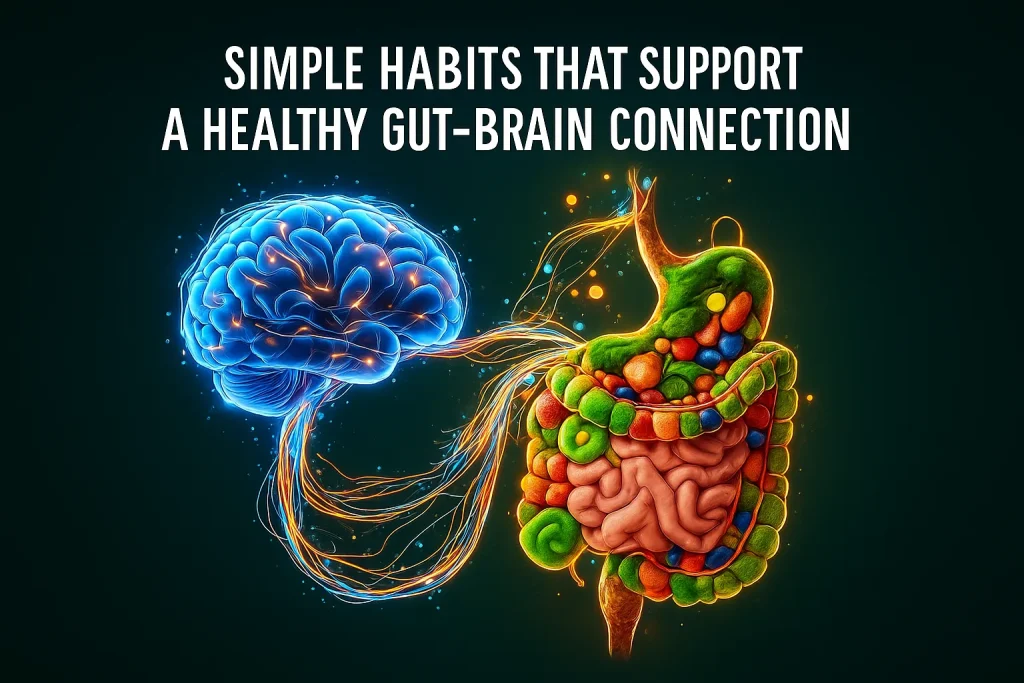
The best way to maintain a healthy gut–brain connection is through small, consistent habits. Eating fresh, fiber-rich foods, staying hydrated, and limiting highly processed meals all nurture the beneficial bacteria that support brain function.
Even minor improvements in nutrition can help balance emotions, improve energy, and promote a more resilient mind–body connection over time.
Wrapping it up
The gut-brain connection is an amazing system that tries to balance diet and mental health in a well-regulated manner.
Both organs are strongly connected and influence the activities of each other.
Making the right adjustments to your diet will positively influence your moods, emotions, and mental well-being.
FAQ’s
Q: Can what you eat really affect your mental health? Yes. Your gut produces about 90% of your body’s serotonin — a key mood regulator. When your diet lacks fiber, omega-3s, and fermented foods, serotonin production drops, and you may notice more anxiety, low mood, or poor focus. Stress also disrupts digestion, creating a feedback loop.
Q: What foods support the gut-brain connection? High-fiber vegetables and legumes (prebiotics), fermented foods like yogurt and sauerkraut (probiotics), omega-3-rich foods like salmon and walnuts, and complex carbs like oats and sweet potatoes. The key isn’t any single food — it’s consistency and variety across all four groups.
Q: Can burnout cause brain fog? It can. Chronic stress raises cortisol, which impairs focus, memory, and decision-making over time. When burnout is also paired with poor nutrition or gut inflammation, brain fog tends to get worse. Restoring gut health through diet is one practical starting point for clearing it.
Q: How long does it take for diet changes to affect mood? Most people notice subtle shifts — better sleep, steadier energy, improved focus — within one to two weeks. Gut bacteria composition can start shifting within days, though building a resilient microbiome takes closer to three to six months of consistent eating habits.
Q: Is the gut-brain connection the same as nutritional psychiatry? They’re related but distinct. The gut-brain connection is the biological communication system between your digestive tract and brain. Nutritional psychiatry is the clinical practice that applies that science — using dietary changes to support mental health treatment.
Merlo G, Bachtel G, Sugden SG. Gut microbiota, nutrition, and mental health. Front Nutr. 2024;11. Available from: https://pmc.ncbi.nlm.nih.gov/articles/PMC10884323/
Doenyas C, Clarke G, Cserjési R. Gut–brain axis and neuropsychiatric health: recent advances. Sci Rep. 2025;15. Available from: https://www.nature.com/articles/s41598-025-86858-3
National Institute on Aging. What do we know about diet and prevention of Alzheimer’s disease? Published November 20, 2023. Available from: https://www.nia.nih.gov/health/alzheimers-and-dementia/what-do-we-know-about-diet-and-prevention-alzheimers-disease
Breit S, Kupferberg A, Rogler G, Hasler G. Vagus nerve as modulator of the brain–gut axis in psychiatric and inflammatory disorders. Front Psychiatry. 2018;9. Available from: https://pubmed.ncbi.nlm.nih.gov/29593576/
Ma L, Wang H-B, Hashimoto K. The vagus nerve: an old but new player in brain–body communication. Brain Behav Immun. 2025;124. Available from: https://www.sciencedirect.com/science/article/pii/S0889159124007050
Firth J, et al. Food and mood: how do diet and nutrition affect mental wellbeing? BMJ. 2020;369. Available from: https://www.bmj.com/content/369/bmj.m2382
Chen P, Zhang L, Feng Y, et al. Brain–gut axis and psychiatric disorders: a perspective from bibliometric and visual analysis. Brain Behav Immun Health. 2024;30. Available from: https://www.sciencedirect.com/science/article/pii/S0753332224010916
Mikulska J, Juszczyk G, Gawrońska-Grzywacz M, Herbet M. HPA axis in the pathomechanism of depression and schizophrenia: new therapeutic strategies based on its participation. Brain Sci. 2021;11(10). Available from: https://pmc.ncbi.nlm.nih.gov/articles/PMC8533829/
Chen P, Zhang L, Feng Y, et al. Brain-gut axis and psychiatric disorders: a perspective from bibliometric and visual analysis. Front Immunol. 2022;13. Available from: https://www.frontiersin.org/journals/immunology/articles/10.3389/fimmu.2022.1047007/full
Ma L, Wang H-B, Hashimoto K. The communication mechanism of the gut–brain axis and its effect on central nervous system diseases: a systematic review. Brain Behav Immun Health. 2024;27. Available from: https://www.sciencedirect.com/science/article/pii/S0753332223007758
Martin SE, Kraft CS, Ziegler TR, Millson EC, Rishishwar L, Martin GS. The role of diet on the gut microbiome, mood and happiness. Front Psychol. 2023;14. Available from: https://pmc.ncbi.nlm.nih.gov/articles/PMC10055576/
British Nutrition Foundation. Food and the brain. Published 2023. Available from: https://www.nutrition.org.uk/nutrition-for/food-and-the-brain/
Leeuwendaal NK, Stanton C, O’Toole PW, Beresford TP. Fermented foods, health and the gut microbiome. Nutrients. 2022;14(7). Available from: https://pmc.ncbi.nlm.nih.gov/articles/PMC9003261/
Disclaimer: This article, “The Gut-Brain Connection: How Nutrition Affects Your Mood and Mental Health,” is for informational purposes only and does not substitute for professional medical advice. Always consult a qualified healthcare provider before beginning any new supplement, especially if you are pregnant, breastfeeding, taking medication, or managing chronic health conditions.
Related
-

Best Ways to Keep Your Stomach Healthy – and Stop It from Getting Upset
Feeling bloated, sluggish, or just “off” in your stomach is a common experience. Simple daily…
-

Morning Anxiety: Why You Wake Up Feeling Anxious (And What to Do About It)
Morning anxiety is more predictable than it feels. Here’s why it happens — cortisol spikes,…
-

Benefits of Apples for Women: A Simple Boost in Every Bite
For busy women balancing work, family, and personal goals, apples offer something powerful: simplicity. And…