Benefits of Healthy Eating: 6 Steps for Better Energy, Mood & More
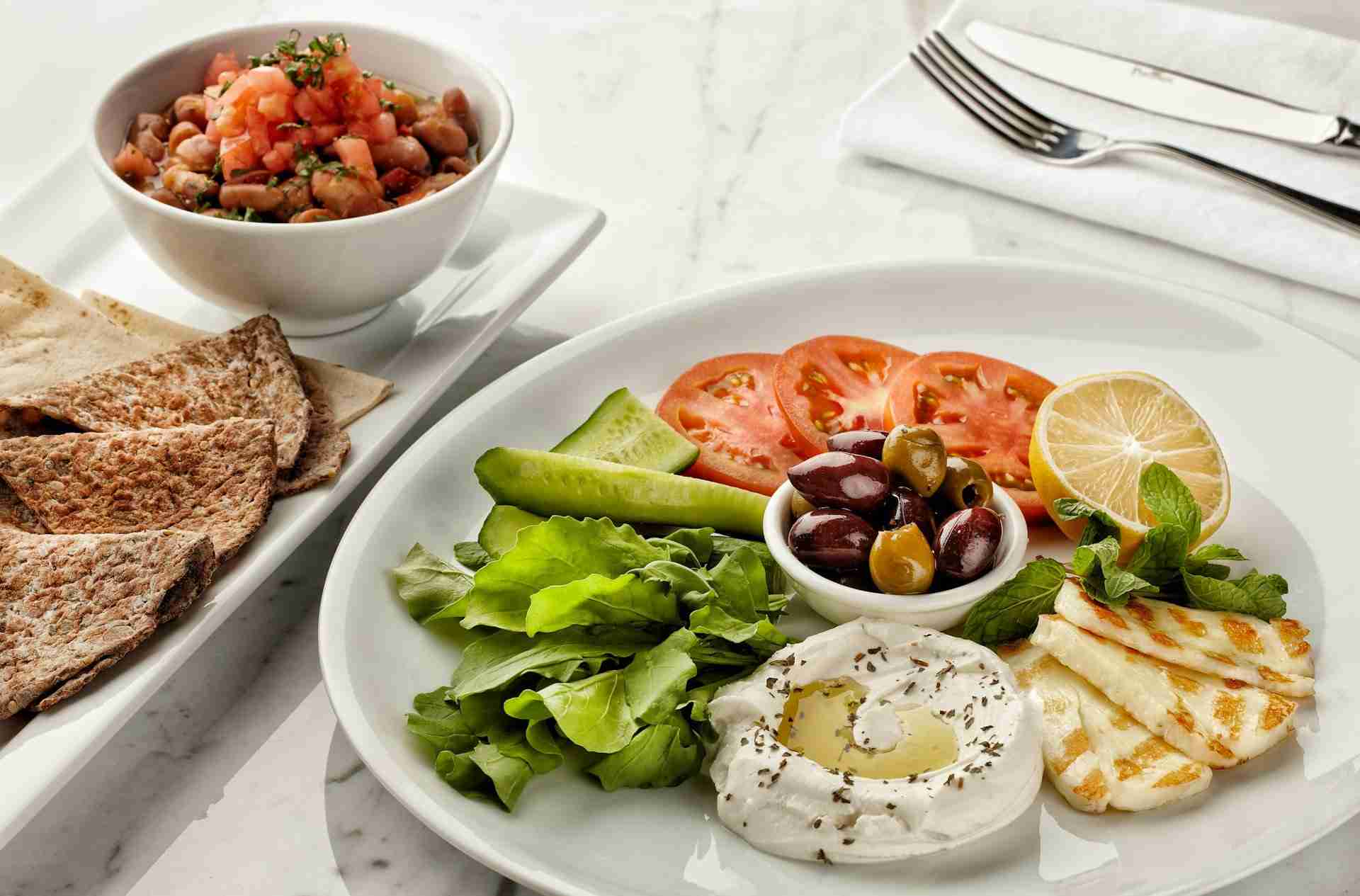
The benefits of healthy eating come from small daily choices that strengthen the body and support the mind. You don’t need a strict diet plan—just simple habits that can be repeated. Building a balanced plate, planning your meals once a week, and including nutrient-rich traditional foods such as yogurt, lentils, dates, and amla can provide steady energy, improve mood, and support long-term health.
Key takeaways
- The benefits of healthy eating don’t require a strict diet — they come from small, repeatable daily choices like building a balanced plate and eating nutrient-dense proteins.
- Half your plate in fruits and vegetables, a quarter in protein, a quarter in whole grains, plus healthy fats — this simple formula stabilises energy and mood without calorie counting.
- Meal planning once a week eliminates daily decision fatigue and makes healthy eating sustainable, not stressful.
- Your gut directly communicates with your brain — omega-3s, B vitamins, and fermented foods don’t just improve digestion, they regulate anxiety, mood, and mental clarity.
- Healthy eating on a budget is achievable — seasonal produce, bulk grains, eggs, and batch cooking deliver the same nutritional benefits without the premium price tag.
- The effects compound over time: energy improves within days, mood within weeks, and long-term disease prevention builds over months — consistency beats perfection.
In this article
The benefits of healthy eating come from small daily choices that strengthen the body and support the mind. You don’t need a strict diet plan—just simple habits that can be repeated. Building a balanced plate, planning your meals once a week, and including nutrient-rich traditional foods such as yogurt, lentils, dates, and amla can provide steady energy, improve mood, and support long-term health.
Diet also plays a role in managing anxiety — the gut-brain connection means what you eat directly influences how your nervous system responds to stress.
Too drained to read right now? No judgement. Watch ‘The Food-Mood Connection: How What You Eat Shapes How You Feel | Benefits of Healthy Eating — we break down how what you eat shapes how you feel, and how to do it on a budget.

1. Build a Balanced Plate (The Benefits of Healthy Eating Start Here)
A balanced plate makes healthy eating easier. Following Harvard’s Healthy Eating Plate model, aim for half your plate in fruits and vegetables, a quarter in protein, and a quarter in whole grains. Add a small portion of healthy fat to finish the meal.
Tips
- Protein: eggs, yogurt, beans, lentils, tofu, chicken, or fish.
- Carbohydrates: whole grains (oats, brown rice, roti), beans, or starchy vegetables.
- Healthy fats: nuts, seeds, avocado, or olive oil.
- Traditional add-ins like dates and amla add flavor and nutrition.
- Milk or yogurt can provide protein and energy if tolerated and enjoyed.
Examples
- Fill half your plate with seasonal vegetables and fruits.
- Add lentils, tofu, or chicken for protein, plus roti or rice for grains.
- Include a drizzle of olive oil or a sprinkle of seeds.
Quick Ideas
- Yogurt with fruit and a few nuts makes a 5-minute breakfast.
- A chickpea salad with cucumber, tomato, olive oil, and lemon is light and filling.
- Pre-cook lentils or beans to use quickly in meals.
Why it works
Balance prevents over-reliance on one type of food and makes meals satisfying. Including fruits, vegetables, proteins, and grains gives steady energy and makes daily eating simple. Adding dates or amla adds natural sweetness and variety.
2. Plan Once for the Week
Planning meals once a week saves time and supports consistency, a key ingredient to reaping the benefits of healthy eating. Keeping a few basics ready in the refrigerator means you can prepare a balanced meal in minutes.
Tips
- Choose one day each week to plan your meals.
- Keep boiled eggs, plain yogurt, and small portions of dates or amla on hand.
- Wash and cut vegetables in advance.
- If using seeds like gond katira or tukhm-e-malanga, soak them thoroughly and consume fresh (avoid storing soaked seeds for many days).
Examples
- Start the day with eggs or yogurt, paired with fruit.
- Snack on a small portion of dates or amla.
- Mix soaked seeds into water, milk, or yogurt for refreshment.
Quick Ideas
- Prepare two breakfasts at once (overnight oats with boiled eggs).
- Roast a tray of vegetables to use in bowls, wraps, or omelets.
- Store pre-cut fruits and greens for quick snacks.
Why it works
Planning turns healthy eating into a routine instead of a daily struggle. Culturally familiar foods like dates, amla, and soaked seeds make the plan enjoyable and sustainable.
3. Prioritize Nutrient-Dense Proteins
Protein supports muscle, skin, hair, and immune health. A source of protein at each meal helps you feel full and energized.
Tips
- Rotate options: eggs, plain yogurt or curd, paneer, beans, lentils, tofu, fish, or chicken.
- Enjoy milk or yogurt if you tolerate dairy.
- Add nuts or seeds for extra protein and healthy fats.
Examples
- Breakfast: an egg with whole-grain toast and fruit.
- Snacks: a handful of roasted chickpeas or yogurt with seeds.
- Lunch or dinner: lentil dal with rice and vegetables, or chicken with quinoa and greens.
Quick Ideas
- Mix lentils with rice for a complete protein.
- Pair yogurt with fruit and nuts for a filling snack.
- Pre-cook tofu or lentils for quick meal prep.
Why it works
Protein builds strength and keeps energy steady. Using a mix of traditional and modern protein sources ensures variety and nutrition.
4. Eat the Rainbow Daily
Colorful foods provide vitamins, minerals, and antioxidants. The WHO recommends eating a variety of colourful fruits and vegetables because each colour group provides different vitamins, minerals, and antioxidant compounds.
Tips
- Include at least two different colors at each meal.
- Combine raw and cooked vegetables.
- Use fruit for natural sweetness, but keep portions moderate.
- Add traditional foods like dates or amla for taste and variety.
Examples
- Eat fruit before or with breakfast.
- Include colorful vegetables in lunch and dinner.
- Pair chopped fruit with yogurt for a refreshing snack.
Quick Ideas
- A mix of berries, mango, and apple slices in yogurt.
- A salad with cucumber, carrot, cabbage, and onion.
- A fruit-and-vegetable chaat with lemon and spices.
Why it works
Eating a variety of colors increases the range of nutrients you get daily. Natural sweetness from dates or amla reduces the need for added sugar.
5. Stay Hydrated with Options You Enjoy
Hydration supports energy, focus, and digestion. Water is best, but other drinks can add variety and make it easier to stay consistent.
Tips
- Drink water regularly throughout the day.
- Add lemon, cucumber, or mint for flavor.
- Herbal teas and sparkling water are good alternatives.
- Cultural options: soaked seeds like gond katira or tukhm-e-malanga in milk or water, consumed fresh.
- Fruit juice can be enjoyed occasionally, but not as the main source of hydration.
Examples
- Aim for 8–10 glasses of water daily.
- Drink a glass of milk or lassi with breakfast if you enjoy dairy.
- Mix soaked seeds into water for a refreshing drink.
Quick Ideas
- Fill a 1-liter bottle each morning and finish it twice.
- Keep a cup of herbal tea at your desk.
- Add dates or fruit to yogurt for a hydrating snack.
Why it works
Regular hydration keeps the body functioning at its best. Adding variety makes it easier to meet your daily needs.
6. Keep Traditions That Work for You: Make Reaping the Benefits of Healthy Eating Sustainable
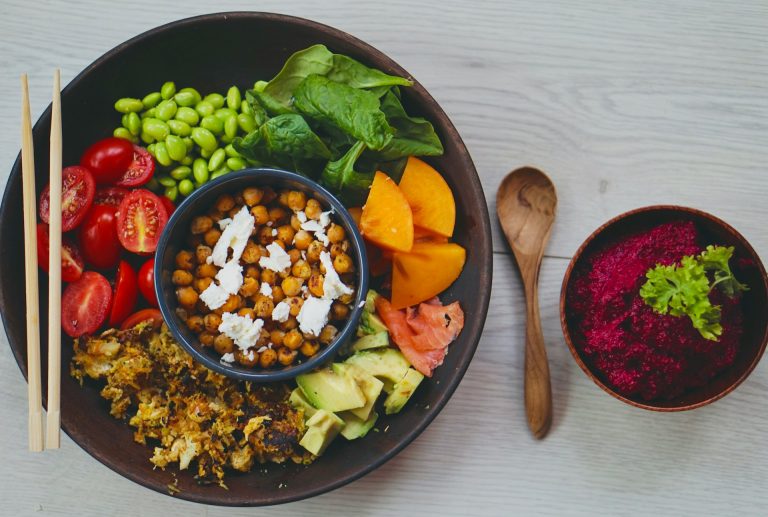
Traditional foods connect us to culture and add variety to healthy eating. Using them in moderation keeps meals enjoyable.
Tips
- Dates: enjoy one or two as a snack or with meals.
- Amla: use in chutney, preserves, or juice.
- Fermented foods: yogurt, curd, kefir, or pickles may support digestion.
- Milk, eggs, and other daily staples can be part of a balanced plan.
Examples
- Snack on yogurt with chopped dates and walnuts.
- Add a spoonful of amla chutney to your meal.
- Drink a small glass of lassi on a hot day.
Quick Ideas
- Pair dates with nuts for a filling snack.
- Add amla preserves for taste and variety.
- Use fermented foods, such as yogurt, to aid digestion.
Why it works
Including familiar cultural foods makes healthy eating more enjoyable and sustainable. Small amounts bring flavor and comfort while still supporting balance.
Benefits of Healthy Eating for Mental Health
The connection between diet and mental wellbeing is more powerful than many realize. A 2025 review on the gut-brain axis found that diets rich in omega-3 fatty acids, antioxidants, and probiotics can reduce inflammation and improve anxiety and depression symptoms. Mental Health America notes that healthy eating supports brain function and mood, and that poor diet is associated with higher risk of depression.
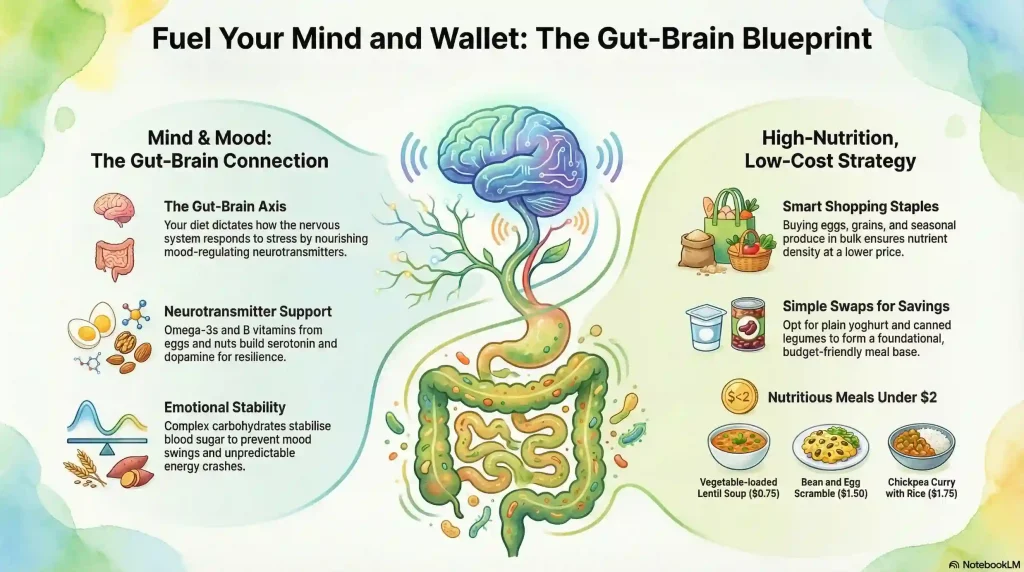
The gut-brain axis is a two-way communication system between your digestive system and your nervous system. Foods rich in omega-3 fatty acids, B vitamins, and antioxidants support neurotransmitter production—the chemicals that regulate mood, focus, and emotional resilience.
Consider these food-mood connections:
- Omega-3 fatty acids (found in fish, walnuts, and flax seeds) support brain structure and may help reduce symptoms of depression and anxiety.
- Complex carbohydrates (whole grains, legumes, vegetables) stabilize blood sugar, preventing mood swings and energy crashes.
- Fermented foods like yogurt and kefir promote healthy gut bacteria, which produce serotonin—your body’s natural mood enhancer.
- Antioxidant-rich foods (berries, dark leafy greens, colorful vegetables) protect brain cells from oxidative stress and inflammation.
- B vitamins (found in eggs, legumes, nuts, and leafy greens) are essential for producing mood-regulating neurotransmitters like serotonin and dopamine.
Research on the gut-brain axis highlights fermented foods as dietary strategies that improve microbial diversity and produce metabolites linked to better emotional regulation.
When you prioritize the benefits of healthy eating, you’re creating a foundation for emotional stability, mental clarity, and improved resilience to stress. This isn’t just about physical wellness—it’s about nourishing your whole self.
How to Start Eating Healthy on a Budget
One of the biggest myths about the benefits of healthy eating is that it requires spending more money. The truth is that whole, nutritious foods can be surprisingly affordable—you just need a smart strategy.
In-season produce is typically cheaper due to abundance and lower transport costs (Clemson Cooperative Extension), and buying grains like oats and rice in bulk stretches your budget further (Mayo Clinic Health System).
Smart Shopping Tips
- Buy seasonal produce: Seasonal fruits and vegetables are cheaper and more flavorful. Visit local markets instead of chain supermarkets when possible.
- Stock dried and canned goods: Lentils, beans, chickpeas, and canned tomatoes are budget-friendly staples that form the foundation of balanced meals.
- Purchase eggs in bulk: Eggs are one of the most affordable, nutrient-dense proteins available. They last weeks in the refrigerator.
- Buy rice, oats, and grains in bulk: Whole grains cost significantly less when purchased from bulk bins rather than pre-packaged.
- Choose yogurt plain, not flavored: Plain yogurt costs less and allows you to add your own fruit, honey, or nuts.
Budget-Friendly Meal Ideas
- Lentil and rice bowl with roasted seasonal vegetables: under $2 per serving
- Bean and egg scramble with toast: around $1.50 per serving
- Chickpea curry with budget vegetables and rice: approximately $1.75 per serving
- Vegetable-loaded lentil soup: costs about $0.75 per serving when made in batches
The benefits of healthy eating don’t require a premium budget. By planning meals, buying whole foods, and minimizing processed items, you can enjoy nutritious eating while respecting your financial limits.

The Connection Between Healthy Eating and Sleep
Your diet profoundly influences sleep quality—another crucial benefit of healthy eating that often goes overlooked. What you eat, when you eat it, and what you avoid all play important roles in whether you sleep deeply through the night.
Nutrients such as tryptophan, magnesium, and B vitamins support melatonin production and better sleep quality, with Mediterranean-style eating patterns showing particular benefit. Pairing tryptophan-rich foods with complex carbohydrates helps tryptophan cross the blood-brain barrier more effectively.
Foods That Support Better Sleep
- Tryptophan-rich foods: Turkey, eggs, cheese, nuts, and seeds contain tryptophan, an amino acid your body converts to serotonin and melatonin—both essential for sleep.
- Magnesium sources: Pumpkin seeds, almonds, spinach, and dark leafy greens relax muscles and calm the nervous system.
- Complex carbohydrates: Whole grains, oatmeal, and legumes help tryptophan reach your brain more effectively.
- Herbal teas: Chamomile, passionflower, and valerian root teas have been traditionally used to promote restful sleep.
- Milk and yogurt: These dairy products contain calcium, which helps regulate melatonin production.
Foods and Habits to Avoid for Better Sleep
- Caffeine after 2 PM—it can disrupt sleep for hours.
- Large meals close to bedtime—digestion can interfere with sleep quality.
- Alcohol in the evening—though it may help you fall asleep, it prevents deep, restorative sleep.
- Sugary foods and drinks—they cause energy spikes and crashes that disrupt sleep.
By aligning your eating habits with your sleep goals, you unlock another dimension of the benefits of healthy eating: restorative sleep that leaves you feeling refreshed and energized each morning.
The Benefits of Healthy Eating Compound
The benefits of healthy eating stem from adopting steady, simple habits: balanced plates, weekly planning, hydration, and selecting foods that cater to both your needs and your traditions. By making small choices every day, you can support better energy, mood, and long-term health. The effects compound over time, improving not just your physical wellbeing but your mental clarity, emotional resilience, sleep quality, and overall quality of life.
Start where you are. Choose one principle from this guide and practice it for a week. Once it becomes automatic, add another. The beauty of the benefits of healthy eating is that you don’t need perfection—just consistency and self-compassion along the way.
Explore our wellness resources or get our free Burnout Nutrition Checklist to learn more about supporting your health through intentional eating.
Questions readers ask
How long does it take to see the benefits of healthy eating?
Some benefits appear quickly—improved energy within days, better mood within weeks. Others, like clearer skin or better sleep, may take 3–4 weeks of consistent eating. Long-term benefits like disease prevention develop over months and years. The CDC and WHO frame chronic disease prevention as a long-term outcome of sustained healthy eating, while clinical interventions show measurable changes in mood and metabolic markers within 4-12 weeks.
Can I enjoy treats and still experience the benefits of healthy eating?
Absolutely. Healthy eating is about balance, not perfection. Enjoying your favorite treats occasionally won’t erase the benefits of healthy eating. Focus on making nutritious choices most of the time, and allow yourself flexibility.
Are there specific foods I must eat to get benefits of healthy eating?
No. The benefits of healthy eating come from a balanced approach using whole, nutrient-dense foods. There’s no single “superfood”—instead, focus on variety: different proteins, colorful vegetables, whole grains, and healthy fats. Choose foods you enjoy and that align with your culture and preferences.
What if I have food allergies or dietary restrictions?
The benefits of healthy eating are accessible to everyone. If you avoid certain foods due to allergies or dietary choices, work with a nutritionist or registered dietitian to ensure you’re getting complete nutrition. Many traditional foods offer flexibility—use alternatives like lentils instead of meat, coconut milk instead of dairy, or chickpeas instead of eggs.
How do I stay consistent with healthy eating?
Consistency grows from planning, preparation, and self-compassion. Use weekly meal planning (as discussed in Step 2), keep nutritious foods accessible, and remember that one meal or day won’t derail your progress. The benefits of healthy eating compound over time—focus on progress, not perfection.
Is it possible to see benefits of healthy eating even if I start later in life?
Yes. Your body responds to better nutrition at any age. While preventing disease is easier than reversing damage, the benefits of healthy eating—improved energy, better digestion, clearer skin, improved mood, and better sleep—appear regardless of when you start. It’s never too late to invest in your wellbeing.
Written by
 Bushra AContributor — Natural Beauty, Health & Wellness
Bushra A has written gentle, SEO-informed wellness and lifestyle articles for MWOV.
Full bio: Bushra AReviewed by
 Bree SharpEditor
Reviews every article against our editorial standards before it’s published.
Our editorial standardsThis article is for informational purposes only and should not replace professional medical advice. If you have specific health concerns, existing medical conditions, or take medications that interact with dietary changes, please consult with a registered dietitian or healthcare provider before making significant changes to your diet. Everyone’s nutritional needs are different, and personalized guidance ensures you’re making choices that support your unique health goals.


